Painting
In its most typical manifestations, Baroque art can be defined by great drama, rich, deep colours and intense contrasts, particularly between light and dark shadows. Paintings almost seem to come out of the dark. These effects are chiaroscuro effects. This style of painting was meant to evoke emotion and passion, and was not based on the tranquil rationality of the Renaissance. In opposition to Renaissance art, which often depicted moments before an event, artists of the Baroque period chose to capture the epicenter of the event, the most dramatic point.
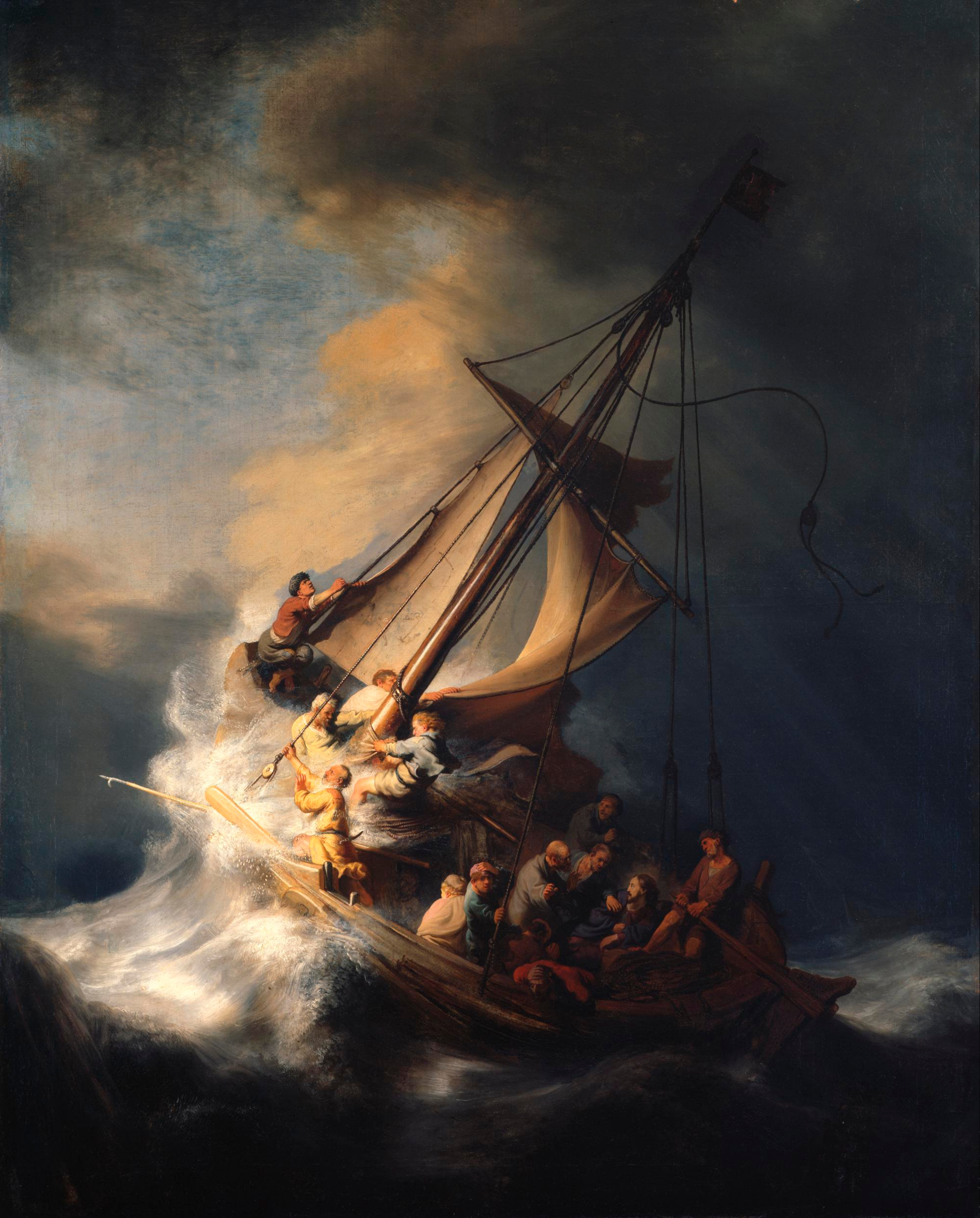 |
The Storm of the Sea of Galilee - Rembrandt (1633)
This painting was stolen from Isabella Stewart
Gardner Museum in 1990 and is still missing. |
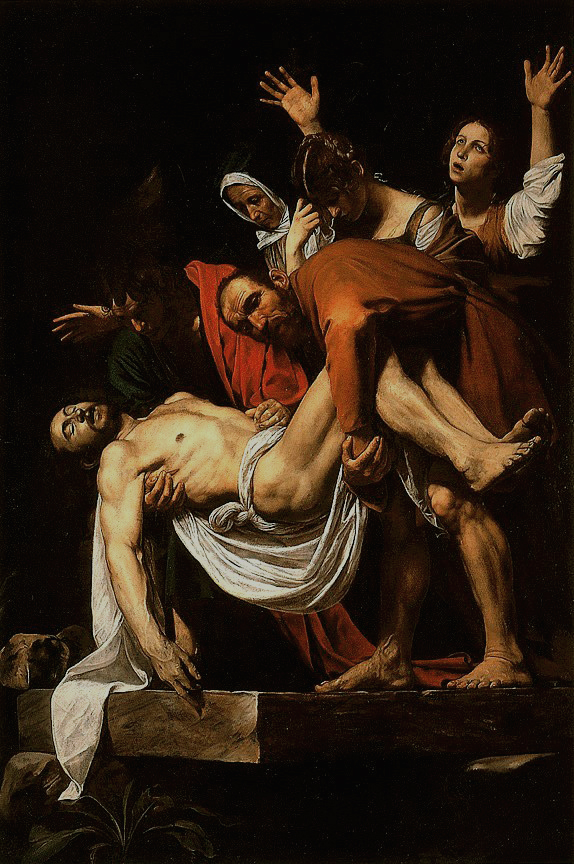 |
| The Entombment of Christ - Caravaggio (1602-1603) |
A few of the greatest painters of the time were Rembrandt, Caravaggio, Rubens, Poussin, Vermeer and Velázquez. Caravaggio’s style combined a realistic perspective of the human state, physical and emotional. This, combined with the dramatic use of dark and light colours, had a major influence on the Baroque school of painting. His realistic approach to the human figure, painted directly from life and dramatically spotlit against a dark background, shocked his contemporaries and opened a new chapter in the history of painting. He could be considered an heir to the humanist painting of the High Renaissance. Dramatic scenes using chiaroscuro light effects can be observed in works by Vermeer, La Nain, La Tour and Rembrandt.
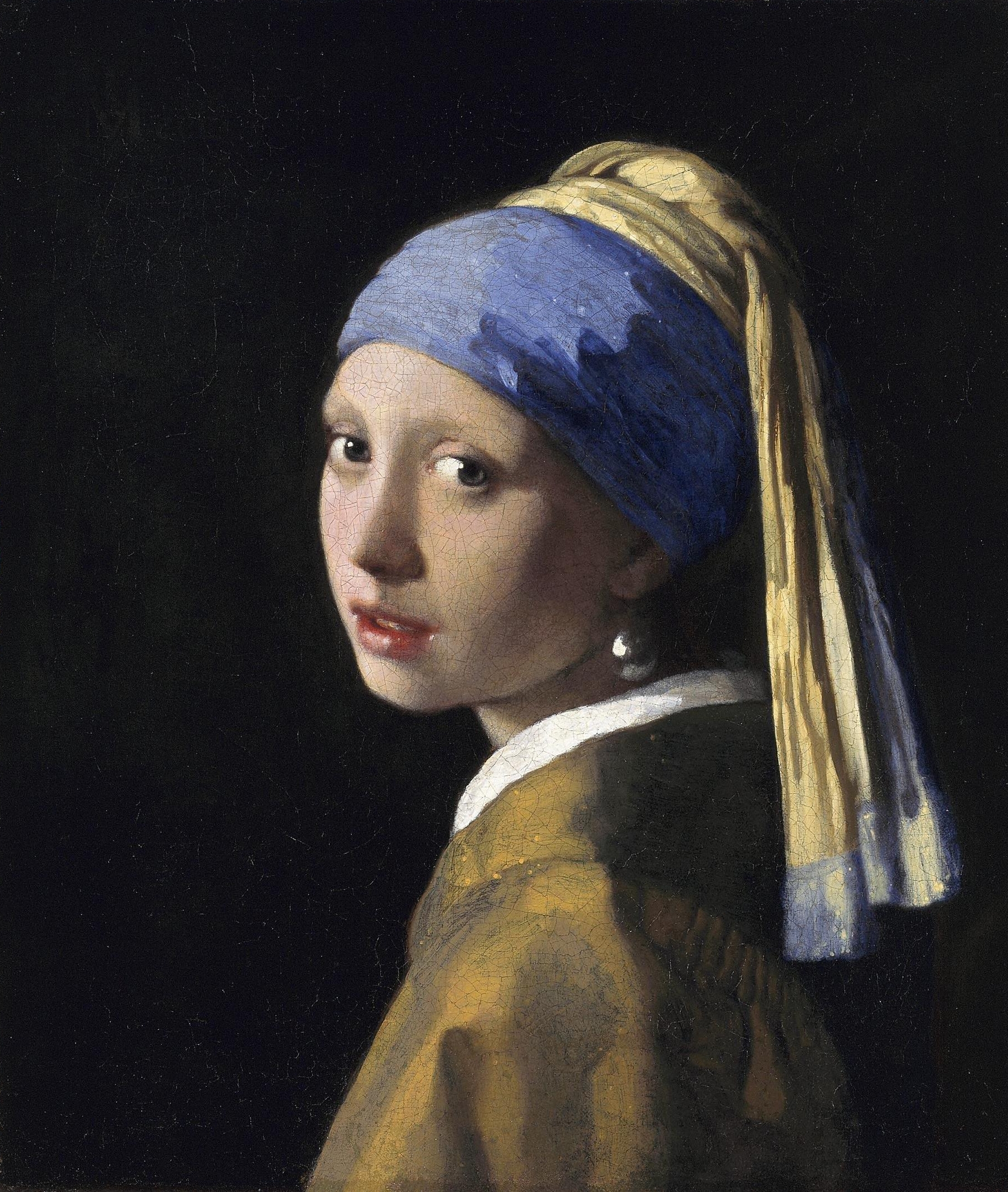 |
Girl with a Pearl Earring - Vermeer (1665)
(considered one of Vermeer's masterpieces) |
Sculpture
In Baroque sculpture, there was more importance given to groups of figures. There was a dynamic quality to the lines, and a vital energy to the human forms. These reached outwards into surrounding space or spiraled around a median. It saw the addition of ‘extra-sculptural’ elements like water fountains, concealed lighting or fused sculpture that was meant to create a transformative experience to the viewer. These extravagant effects could include swirling draperies, gliding foliage etc.. Whilst Southern Europe emulated the full Baroque style, Northern Europe emulated a more restrained Baroque style.
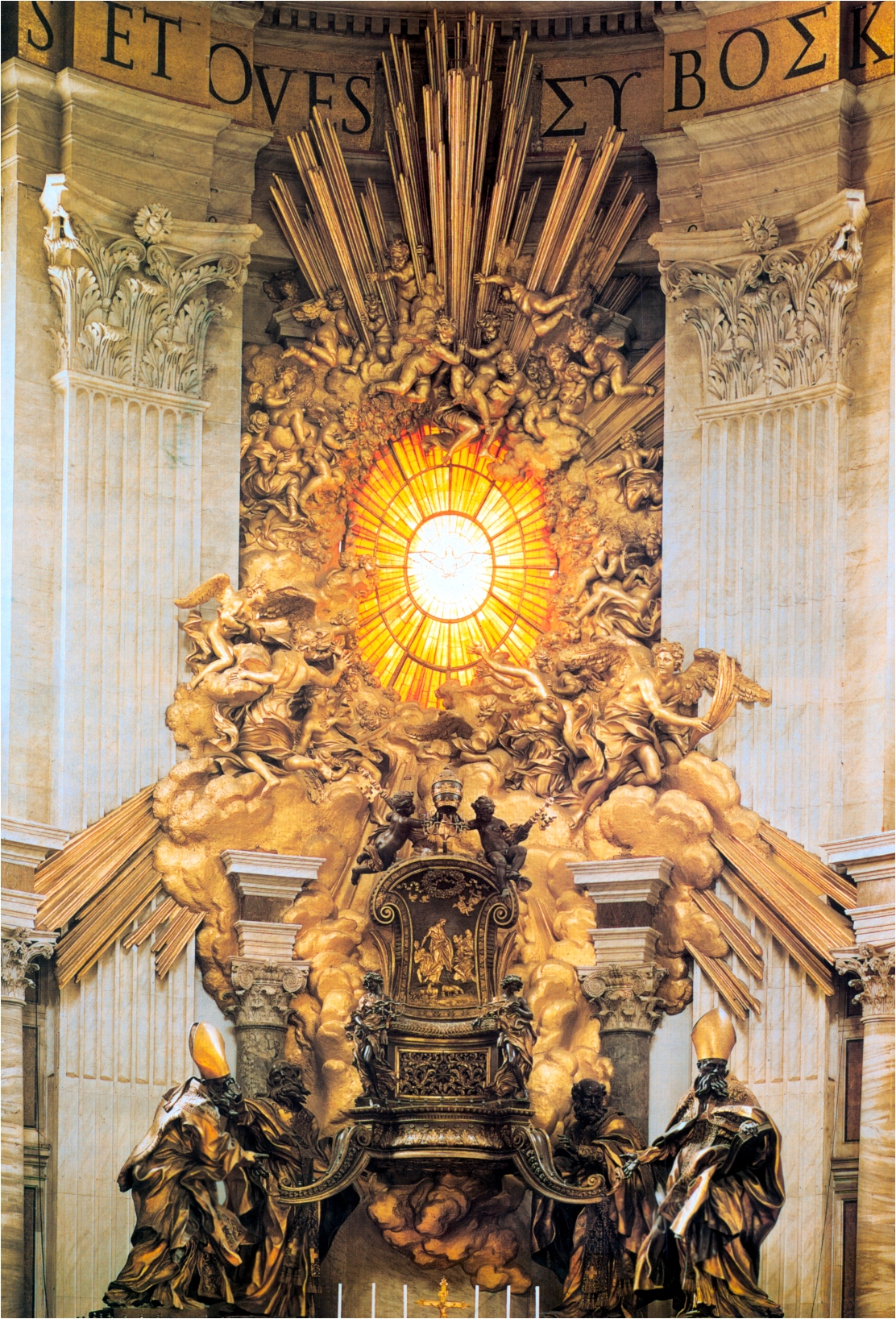 |
| Cathedra Petri - Bernini |
Artists saw themselves as belonging to the classical tradition, but emulated a late Roman sculpture and Hellenistic style rather than the strictly Classical styles as assumed today. A major artist of the Early and High Baroque is Bernini, considered the greatest master of Baroque sculpture. His ‘Cathedra petri’ is the crowning work of High Baroque extravagance and beauty. It consists of a throne surrounded by sculptural decoration. A few more of his statues include Ecstasy of St. Theresa and a great many angels.
 |
Ecstasy of St. Theresa - Bernini
|
 |
| A Bernini Angel |
In the Late Baroque era, Italy superseded France as the cultural heart. An architectural masterpiece of the age was the Palace of Versailles, graced with many Late Baroque statues, which embodied the restrained Baroque aesthetic. These might be considered a collective masterpiece of the Late Baroque period.
 |
| A Palace of Versailles statue |
 |
| A Palace of Versailles statue |
As a last note, Rococo art could be assumed to be the final phase of the Baroque period. It featured a sense of dynamism and extravagance of movement, however, it was more calm, playful and gentle than the overtly dramatic, and sometimes violent Baroque figures. This style fitted figurines very well.
 |
| A Rococo figurine |


Comments
Post a Comment